Live Dental Webinars
(Showing Next 5 Upcoming)

|
 To Remove or Retain? Smart Excavation Protocols and Vital Pulp Management
Presenter: Dr. Art Kevin de Leon
Sponsor: VOCO America
| Mon |
11/30/26 |
7:00 PM ET
4:00 PM PT
|
| Tue |
12/1/26 |
0:00 AM UTC
|
|
CE Credits: 1 Interactive CEU
|
|
Finding the sweet spot between complete caries removal and pulpal survival can feel like walking a tightrope. Remove too little, and you risk a weak bond interface or leaving a cytotoxic environment for the pulp; remove too much, and an accidental exposure sends the tooth down the root canal path. In this clinical CE webinar, we cut through the guesswork of deep caries management. You will learn step by step protocols for using caries detecting dyes to differentiate infected from affected dentin, ensuring maximum bond strength without compromising tooth vitality. Furthermore, we will address the unavoidable cases where deep pulp horns or extensive decay lead to pulp exposure. Moving past traditional calcium hydroxide techniques, we will explore how Mineral Trioxide Aggregate (MTA) revolutionized direct pulp capping and partial pulpotomies, turning potential root canal failures into predictable vital pulp successes.

|
From Plaque to Prosthetics: Guided Biofilm Therapy for Implant Success, Restorative Excellence, Patient Experience, and Practice Growth
Presenter: Dr. Waji Khan
Sponsor: EMS Dental
| Tue |
12/1/26 |
7:00 PM ET
4:00 PM PT
|
| Wed |
12/2/26 |
0:00 AM UTC
|
|
CE Credits: 1 Interactive CEU
|
|
Biofilm management is at the foundation of predictable periodontal, implant, and restorative care. Yet effective biofilm removal involves far more than simply "cleaning teeth." This CE webinar and journey, explores how a systematic, minimally invasive approach to biofilm management can influence clinical outcomes across the entire continuum of care, from prevention and periodontal maintenance to implant therapy, complex restorative dentistry, and prosthetic rehabilitation. Participants will explore the principles of Guided Biofilm Therapy (GBT), including biofilm disclosure, patient motivation, airflow technology, instrumentation, and individualized maintenance protocols.

|
Fluoride: Friend or Foe?
Presenter: Linda Hecker, RDH
Sponsor: VOCO America
| Wed |
12/2/26 |
7:00 PM ET
4:00 PM PT
|
| Thu |
12/3/26 |
0:00 AM UTC
|
|
CE Credits: 1 Interactive CEU
|
|
This CE webinar is designed to present the benefits of fluoride in the prevention of carious lesions. A comparison of fluoride products and different types of fluoride will be discussed.

|
Introducing Bioactivity to Your Everyday Practice: Soar Above the Ordinary
Presenter: Dr. Brittany Bergeron
Sponsor: Pulpdent
| Thu |
12/3/26 |
7:00 PM ET
4:00 PM PT
|
| Fri |
12/4/26 |
0:00 AM UTC
|
|
CE Credits: 1 Interactive CEU
|
|
Bioactive materials have been advancing patient care for more than a decade, yet many clinicians remain unaware of the positive impact they can have on everyday patient outcomes. Bioactive dental materials are appropriate for use in a wide range of restorative scenarios. When used properly, they can contribute to high-quality, long-lasting restorations. This CE webinar invites clinicians to rethink their approach to caries management by combining patient-centered care with practice efficiency. Attendees will explore how incorporating bioactive materials into everyday restorative dentistry can support predictable clinical outcomes while creating a win-win for both patients and the practice.
|
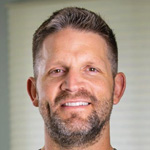
When Patients Understand Their Disease, Prevention Changes - AI's Role in Diagnosis and Communication
Presenter: Dr. Adam Burr
Sponsor: Philips Oral Healthcare
| Mon |
12/7/26 |
7:00 PM ET
4:00 PM PT
|
| Tue |
12/8/26 |
0:00 AM UTC
|
|
CE Credits: 1 Interactive CEU
|
|
When patients do not clearly understand their disease, preventive recommendations can feel optional rather than urgent. Emerging artificial intelligence technologies are changing this dynamic by helping clinicians identify disease earlier and communicate those findings more clearly during the patient conversation.
Participants will learn how emerging artificial intelligence tools are improving both disease recognition and clinical communication in modern dental practice. The CE webinar will also discuss practical strategies for incorporating these tools into everyday patient conversations, strengthening preventive recommendations, and connecting professional care with effective daily home-care routines.
Featured On-Demand CE Webinars
Bonding procedures that perform reliably in permanent teeth can be less predictable when applied to primary teeth. Many clinicians experience frustrations such as early sealant loss, marginal breakdown of pediatric restorations, and bonding failures that seem difficult to explain. Differences in enamel structure, dentin composition, and the clinical conditions commonly encountered in pediatric dentistry create unique challenges for achieving durable adhesion. As a result, clinicians often face issues such as reduced sealant retention, restoration failure, and sensitivity to moisture contamination during pediatric bonding procedures.
This CE webinar examines the structural and chemical differences between primary and permanent teeth and how those differences influence adhesive performance. Participants will review the science behind enamel etching, dentin bonding, and hybrid layer formation in primary teeth, along with practical strategies to improve bond reliability in everyday pediatric practice. The webinar will also explore common causes of bonding failure and practical techniques that help clinicians achieve more consistent outcomes. Real-world protocols will be discussed for managing moisture contamination, optimizing etch patterns, and selecting adhesive materials that support reliable bonding in young patients. Attendees will gain practical insights that can improve restoration longevity, enhance sealant retention, and reduce clinical frustration when bonding to primary teeth.
Cementation is the final, decisive step that determines whether an otherwise excellent indirect restoration succeeds or fails, yet it's often where protocols become inconsistent, rushed, or based on habit rather than the specific material in hand. With the range of restorative materials in use today (zirconia, lithium disilicate and other glass-ceramics), no single cement or surface-treatment protocol applies to every case. This CE webinar takes a substrate-driven approach: matching the cement category and preparation steps to the restorative material, the clinical situation, and the amount of retention available.
Through a step-by-step walkthrough of the cementation workflow, this CE webinar covers cement selection, intaglio surface treatment, the role of primers and silane coupling agents, isolation and contamination control, try-in and cleaning, seating, and finishing. The goal is to give clinicians a clear decision framework they can apply chairside to improve predictability, reduce post-operative sensitivity and debonding, and streamline what is often an unnecessarily complicated part of restorative dentistry.
Staying Alive: Bioactive Advances in Pulp Therapy highlights modern, evidence-based strategies for preserving pulp vitality. This CE webinar explores how bioactive materials support healing and regeneration of the dentin–pulp complex, with practical insight into indications, techniques, and material selection for vital pulp therapy. Designed for all clinicians, it connects science to everyday clinical decision-making.
Featured Podcast Episodes
 Series: VOCO America
CE Credits: 0.5
Guest: Dr. Kelly Tanner, PhD, RDH
|
What does it mean for dental hygienists to take charge of the operatory? Traditionally seen as supporting roles, hygienists have focused on cleaning teeth and patient education. But our guest today believes they can do much more—enhancing case acceptance, improving clinical outcomes, and elevating overall patient care. Her mission is to empower hygienists to lead, take ownership of their role, and contribute beyond their clinical duties. Dr. Kelly Tanner is a reg dental hygienist who holds a Ph.D. in Business and Leadership. Her website is nextleveldentalhygiene.com.
Series: VOCO America
CE Credits: 0.5
Guest: Dr. Ryan Walsh
|
This episode addresses how MTA—mineral trioxide aggregate—can be used as both an indirect and direct pulp cap and is ideal for perforations. MTA isn’t just an endodontist's material—it’s very much a general dentist’s material as well. Especially now, as more of us focus on minimally invasive dentistry and are doing everything we can to preserve the natural tooth. Our guest is Dr. Ryan Walsh, who maintains a full time private practice in Keller, TX. He is a Diplomate of the American Board of Endodontics (ABE) and serves on the Scientific Advisory Board of the Journal of Endodontics. Dr. Walsh maintains an appointment as Adjunct Assistant Professor at Texas A&M College of Dentistry and is actively involved in clinical research pertaining to bioactive materials, resorption processes, and clinical outcomes. He has lectured nationally and internationally on several topics in his specialty and has published multiple peer-reviewed articles and abstracts.
Series: VOCO America
CE Credits: 0.5
Guest: Dr. Mackenzie "Mac" Kelley
|
In this episode, we're diving into the injection composite technique—a digital workflow that's helping dentists create predictable, lifelike restorations without relying solely on advanced freehand sculpting skills. Dr. Phil Klein sits down with Dr. Mackenzie Kelley, a cosmetic dentist, educator, and adjunct faculty member at Indiana University School of Dentistry. Dr. Kelly explains why this technique has become one of her go-to solutions for anterior composite dentistry, the clinical steps, the materials she trusts for outstanding esthetic outcomes, and how to determine when the injection composite technique is the right choice versus a traditional freehand approach. If you've been avoiding esthetic anterior composite cases because you don't love hand sculpting, this episode could completely change the way you practice direct restorative cosmetic dentistry.









 Bonding to Primary Teeth: Why It’s Harder and How to Make It Work